


What Is DevOps?
Best DevOps Course for Beginners starts with understanding how modern software teams work together efficiently. Imagine building a house—you wouldn’t have one team designing the blueprints and another constructing the walls without ever communicating, right? DevOps acts like a project manager that ensures seamless collaboration between teams. At its core, DevOps is a set of practices that combines software development (Dev) and IT operations (Ops) into a unified workflow. For students and professionals beginning their journey, learning DevOps is the first step toward mastering modern IT processes. Many learners today are also searching for the best DevOps training institute in Pune to gain practical skills and industry-ready knowledge. DevOps focuses on delivering software faster, improving quality, and ensuring reliability—benefiting both businesses and users. This guide simplifies DevOps concepts so that even beginners can easily understand its power and potential.
Section 1: The Basics of DevOps
What Problems Does DevOps Solve?
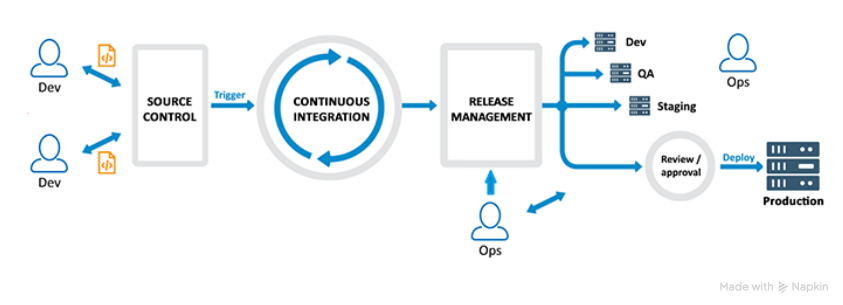
Before DevOps, software teams often worked in silos. Developers wrote code and tossed it over the wall to Operations, who then struggled to deploy it. This led to slow release cycles—sometimes taking months—and frequent misunderstandings that delayed projects further. DevOps steps in to fix these issues by bridging the gap between teams, speeding up delivery, and reducing friction. That’s why companies worldwide are investing in DevOps skills, and many learners are enrolling in programs offered by the best devops training institute in pune to stay competitive in the IT job market.
Core Principles of DevOps
DevOps rests on three key pillars:
Collaboration
Developers and Operations teams work together as a single unit with shared goals and responsibilities.
Automation
Repetitive tasks such as testing, deployment, and monitoring are automated to save time and reduce human errors.
Continuous Improvement
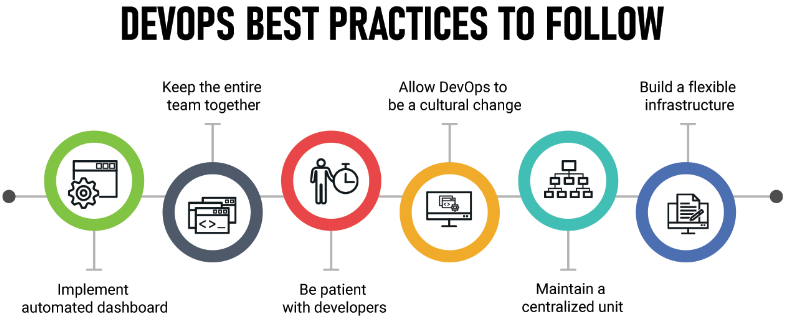
Teams constantly analyze results, learn from mistakes, and improve their processes to deliver better software. These principles are the foundation for anyone learning Best Devops Course for Beginners, because they help build a strong understanding of how modern development workflows operate.
DevOps vs. Traditional IT
Traditional IT environments usually follow the Waterfall model, where work is done step by step. Development happens first, then testing, and finally deployment. This process can take months and often leads to communication gaps. DevOps, on the other hand, follows Agile and continuous delivery practices. Development, testing, and deployment happen simultaneously with constant feedback.
Key differences include:
Traditional IT
• Separate teams
• Manual processes
• Slow releases
DevOps
• Collaborative teams
• Automated workflows
• Faster software delivery
Because of these advantages, many students today are learning DevOps through courses offered by the best devops training institute in pune to build future-ready skills.
Section 2: Key DevOps Practices Explained
Continuous Integration (CI)
Continuous Integration (CI) is a practice where developers frequently merge their code changes into a shared repository. Each integration triggers automated tests to ensure the new code does not break the existing system. For example, instead of waiting weeks to combine code, developers integrate their work daily. This helps identify bugs early and improves software quality. Understanding CI is an essential part of learning Best DevOps Course for Beginners because it forms the backbone of modern development pipelines.
Continuous Delivery (CD)
Continuous Delivery takes CI one step further by automating the release process.
With CD:
- Code changes are automatically tested
• Builds are prepared for deployment
• Applications are always ready for release
This allows companies to deploy updates frequently—sometimes multiple times a day. Organizations using DevOps practices can deliver software updates much faster, which is why many professionals are upgrading their skills through the best devops training institute in pune.
Infrastructure as Code (IaC)
Infrastructure as Code means managing infrastructure using code instead of manual configuration. Instead of manually setting up servers, developers write scripts that automatically configure infrastructure.
Benefits include:
Version Control
Infrastructure configurations can be tracked like application code.
Automation
Servers and environments can be created instantly.
Consistency
No more “it works on my machine” issues.
IaC is a critical skill taught in most DevOps programs and is a major topic covered when learning Best Devops Course for Beginners.
Section 3: DevOps Tools and Technologies
Popular DevOps Tools
DevOps relies on a wide range of tools that support automation and collaboration.
Version Control
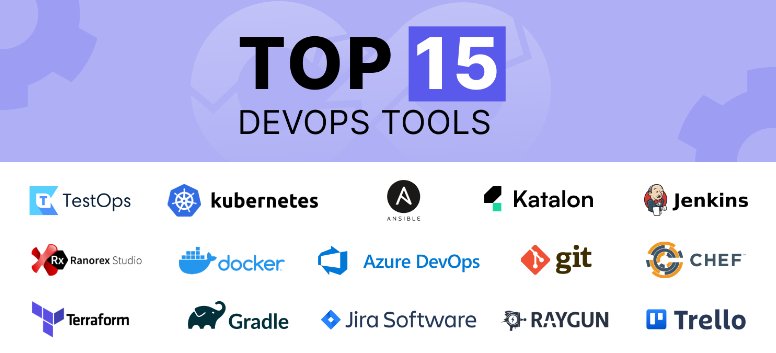
Git, GitHub, GitLab help teams track and manage code changes.
CI/CD Tools
Jenkins, CircleCI, Travis CI automate testing and deployment pipelines.
Configuration Management
Ansible, Puppet, and Chef automate server configuration.
Containerization
Docker packages applications into containers while Kubernetes manages containers at scale.
Students learning from the best devops training institute in pune typically get hands-on experience with these tools to prepare for real industry projects.
Choosing the Right Tools
Selecting DevOps tools depends on your project needs. If deployments are slow, focus on CI/CD tools. If infrastructure management is complex, use Infrastructure as Code tools. Beginners should start with essential tools like Git and gradually expand their knowledge. This step-by-step approach makes learning Best DevOps Course for Beginners more practical and easier to implement in real projects.
Open Source vs. Paid Tools
Open-source tools like Jenkins and Docker are widely used and supported by strong communities. Paid tools provide additional features, dedicated support, and enterprise-level reliability.
Organizations usually choose tools based on:
- Budget
• Support requirements
• Integration capabilities
Training programs offered by the best devops training institute in pune often include both open-source and enterprise DevOps tools to prepare students for industry environments.
Section 4: Benefits and Advantages of DevOps
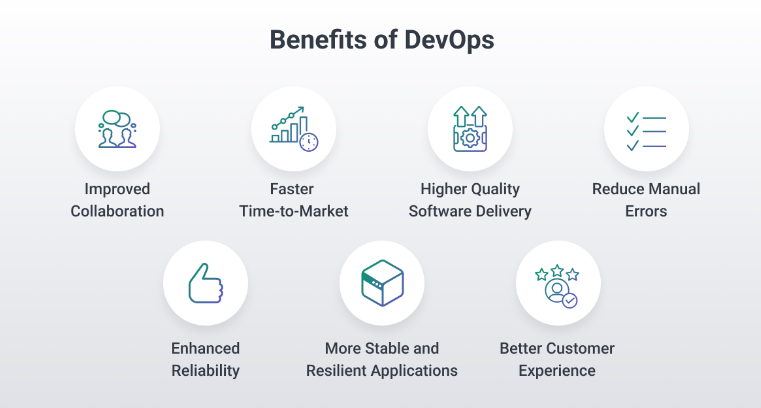
Companies using DevOps can deploy code up to 200 times faster than traditional teams. Automation speeds up development cycles and reduces manual errors. For example, companies like Etsy went from deploying software every few weeks to deploying multiple times per day. This is why DevOps skills are highly in demand and why many IT aspirants are searching for the best devops training institute in pune to start their careers.
Improved Software Quality
DevOps integrates automated testing into development pipelines. This ensures bugs are detected early before reaching users. Studies show DevOps teams experience 60% fewer failures compared to traditional development models. Learning these practices is essential for anyone exploring Best DevOps Course for Beginners and aiming to build reliable software systems.
Increased Collaboration and Communication
One of the biggest advantages of DevOps is improved communication between teams.
Developers and operations teams share responsibilities and work toward the same goals.
As DevOps expert John Willis famously said:
“DevOps is not a technology, it’s a culture.”
This culture of collaboration helps teams deliver better software faster.
Section 5: Getting Started with DevOps
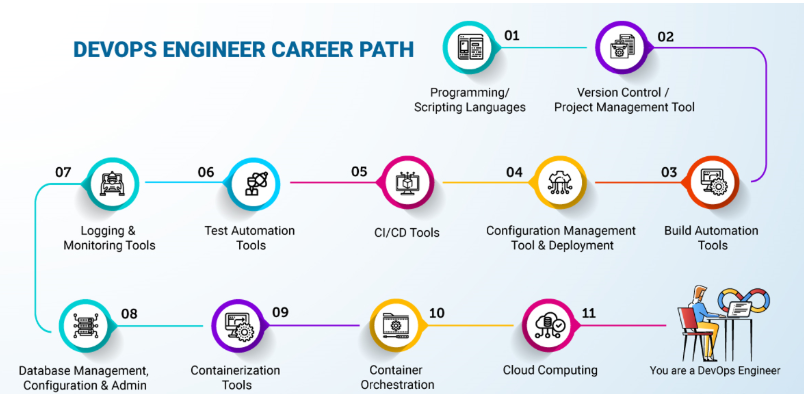
Start Small and Iterate
Begin by identifying one process that can be improved through automation.
For example:
- Automate testing
• Automate deployments
• Use version control for code
Small improvements gradually build a complete DevOps workflow. This approach makes learning Best DevOps Course for Beginners less overwhelming and more practical.
Training and Education
Learning DevOps requires both theoretical knowledge and practical experience. Students can explore online courses, certifications, and hands-on labs Many aspiring professionals prefer learning from the best devops training institute in pune because these institutes offer real-world projects, mentorship, and placement assistance. Certifications like AWS DevOps Engineer or Docker Certified Associate can also strengthen your career opportunities.
Building a DevOps Culture
DevOps is not just about tools—it’s about mindset.
Teams must focus on:
- Collaboration
• Automation
• Continuous learning
Encouraging shared responsibility and open communication can transform how teams build and maintain software systems.
Conclusion: The Future of DevOps
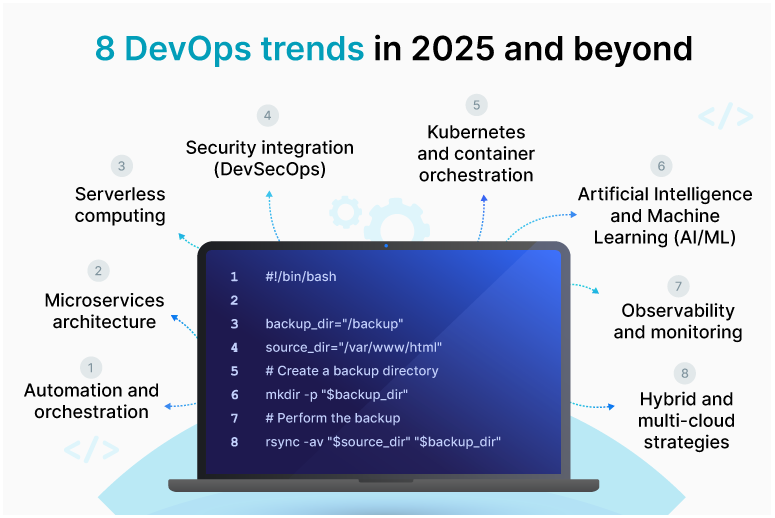
DevOps represents a smarter and faster way to develop and deliver software. By combining collaboration, automation, and continuous improvement, organizations can build better applications and respond quickly to market demands. For beginners, the journey starts with understanding the fundamentals and practicing with real tools and projects. Learning Best DevOps Course for Beginners today can open doors to exciting career opportunities in cloud computing, automation, and software engineering. As the demand for DevOps professionals continues to grow, many students are enrolling in programs offered by the best devops training institute in pune to gain practical skills and prepare for high-paying IT roles. The future of DevOps will likely include more automation, AI-driven insights, and smarter development pipelines. Starting today—even with small steps—can lead to big success in the world of modern technology.
FAQ
1. What exactly is DevOps?
DevOps is a modern approach to software development where developers and IT operations teams work together to build, test, and release software faster and more reliably. It focuses on collaboration, automation, and continuous improvement. DevOps helps identify problems early, improves system stability, and makes it easier to update applications regularly.
- How is DevOps different from traditional IT?
DevOps differs from traditional IT because it promotes collaboration between development and operations teams. In traditional IT environments, these teams often work separately, which can slow down the development and deployment process. DevOps uses automation, continuous integration, and faster release cycles to deliver software updates more efficiently.
- Why should I learn DevOps?
Learning DevOps can open many career opportunities in the IT industry. It helps you develop practical skills such as automation, problem-solving, and collaboration. These skills are highly valued by modern tech companies. Many learners today choose the best devops training institute in pune to gain hands-on experience and industry-ready knowledge.
- What’s the difference between Continuous Integration (CI) and Continuous Delivery (CD)?
Continuous Integration (CI) is the practice where developers regularly merge their code into a shared repository, and automated tests run to detect errors early. Continuous Delivery (CD) builds on CI by automatically preparing the tested code for deployment. CI ensures code quality, while CD ensures the application is always ready for release.
- How do I get started with DevOps today?
To start learning DevOps, begin with the basics of programming, version control systems like Git, and popular DevOps tools such as Docker, Jenkins, and GitHub Actions. Practice building small projects and CI/CD pipelines to gain hands-on experience. You can also enroll in courses offered by the best devops training institute in pune to develop practical skills and start a career in DevOps.
Comments are closed