

Best DevOps Automation Tools: Complete Guide for 2026
DevOps has transformed the way modern software is built, tested, and deployed. At the center of this transformation lies automation. Without automation, DevOps is just a concept; with automation, it becomes a powerful engine that drives speed, reliability, and scalability. In this detailed guide, we’ll explore the DevOps automation tools, how they work, and why they are essential for modern development teams. We will also deeply understand automation tools in DevOps, categories, benefits, real-world use cases, and how to choose the right tools for your business.
What Are DevOps Automation Tools?
Before diving into the DevOps automation tools, it’s important to understand what automation means in DevOps. DevOps automation tools are software solutions designed to automate repetitive tasks across the software development lifecycle. These tasks include:
● Code integration
● Testing
● Deployment
● Infrastructure provisioning
● Monitoring
Automation reduces human error, speeds up delivery, and ensures consistency. In simple terms, automation tools in DevOps help teams deliver better software faster.
Why DevOps Automation Is Important
Automation is not just a luxury—it’s a necessity in today’s fast-paced digital world.
Key Benefits:-
1. Faster Delivery Automation
eliminates manual processes, enabling rapid deployments.
2. Reduced Errors
Scripts and tools follow predefined rules, minimizing human mistakes.
3. Better Collaboration
Automation bridges the gap between development and operations teams.
4. Scalability
Systems can be scaled easily with automated infrastructure.
5. Continuous Improvement
Automation enables continuous integration and continuous delivery (CI/CD).
Categories of DevOps Automation Tools
Categories of DevOps Automation Tools
1. Continuous Integration & Continuous Delivery (CI/CD)
These tools automate code building, testing, and deployment.
2. Configuration Management
Tools that manage system configurations automatically.
3. Containerization & Orchestration
Used to package applications and manage containers.
4. Infrastructure as Code (IaC)
Automates infrastructure provisioning.
5. Monitoring & Logging
Tracks performance and detects issues.
Why It’s Among DevOps Automation Tools:
Jenkins is highly flexible and customizable, making it a top choice among automation tools in DevOps.
2. Docker (Containerization)
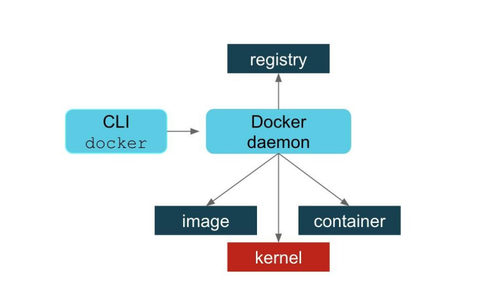
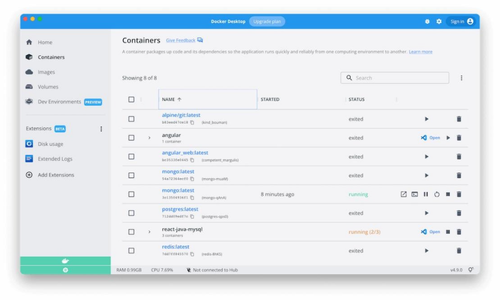
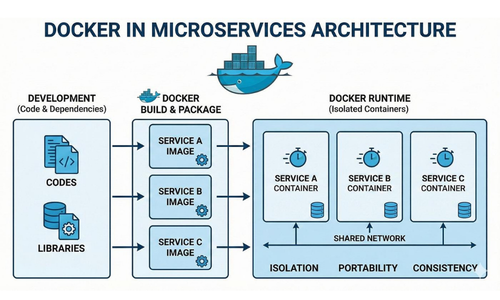
Docker revolutionized application deployment through containerization.
Key Features:
● Lightweight containers
● Consistent environments
● Easy scaling
Why It’s Important:
Docker is a core component of the DevOps automation tools, enabling seamless development and deployment.
3. Kubernetes (Container Orchestration)
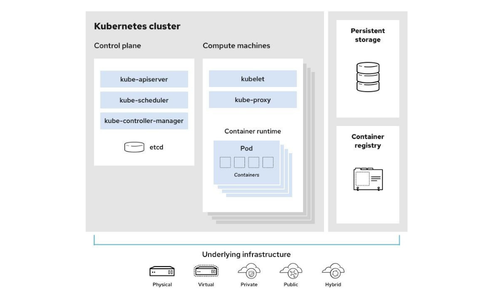
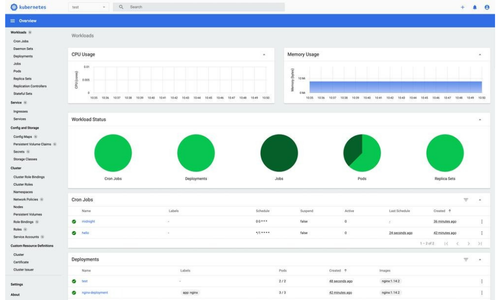
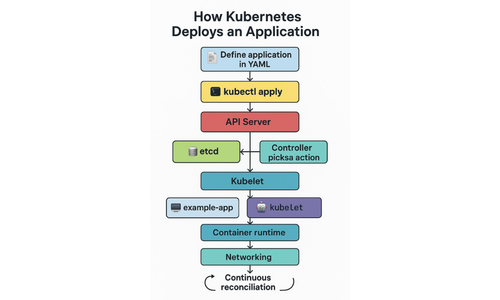
Kubernetes is used to manage containerized applications at scale.
Key Features:
● Auto-scaling
● Self-healing containers
● Load balancing
Why It’s Popular: Kubernetes is essential among automation tools in DevOps for managing complex container systems.
4. Ansible (Configuration Management)
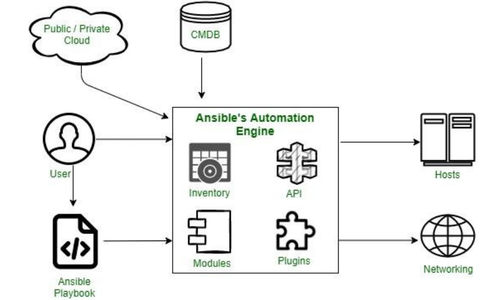
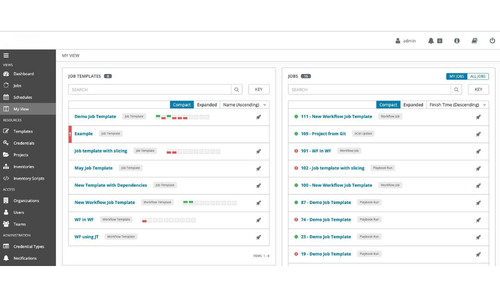
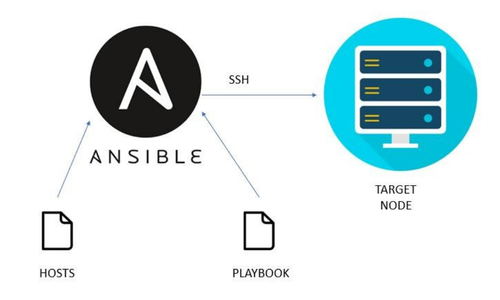
Ansible simplifies IT automation.
Key Features:
● Agentless architecture
● Simple YAML-based configuration
● Quick deployment
Why It Stands Out: Ansible is lightweight and easy to use, making it one of the DevOps automation tools.
5. Terraform (Infrastructure as Code)
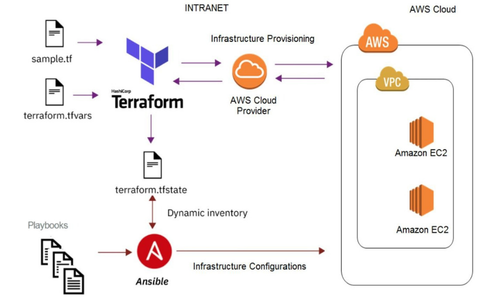
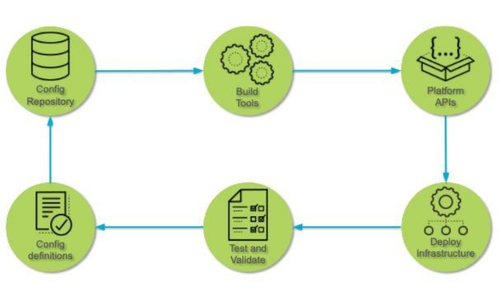
Terraform helps manage infrastructure using code.
Key Features:
● Multi-cloud support
● Declarative configuration
● Version control for infrastructure
Why It’s Essential: Terraform is a must-have in modern automation tools in DevOps for infrastructure management.
6. GitHub Actions (CI/CD & Automation)
GitHub Actions allows developers to automate workflows directly in repositories.
Key Features:
● Native GitHub integration
● Event-based automation
● Pre-built workflows
Why It’s Trending: GitHub Actions is becoming one of the DevOps automation tools for modern developers.
7. Puppet (Configuration Management)
Puppet automates server configuration.
Key Features:
● Declarative language
● Scalable architecture
● Strong reporting
Why It’s Useful: Puppet is widely used in enterprises among automation tools in DevOps.
8. Nagios (Monitoring Tool)
Nagios monitors systems and networks.
Key Features:
● Real-time alerts
● Performance tracking
● Customizable plugins
Why It Matters: Monitoring is critical, and Nagios is one of the DevOps automation tools in this category.
How to Choose the DevOps Automation Tools
Selecting the right tools depends on your project needs.
Consider These Factors:
1. Project Size
Small teams may need simple tools like GitHub Actions, while enterprises may use Kubernetes.
2. Budget
Open-source tools like Jenkins and Docker are cost-effective.
3. Scalability
Choose tools that can grow with your business.
4. Integration
Ensure tools integrate well with your existing stack.
5. Learning Curve
Some tools like Kubernetes require expertise.
Real-World Use Cases of DevOps Automation
Understanding real-world applications helps you see the value of the DevOps automation tools.
1. Automated Deployments
Companies automate deployments multiple times a day.
2. Infrastructure Provisioning
Cloud infrastructure is created instantly using Terraform.
3. Continuous Testing Automated testing ensures bug-free releases.
4. Monitoring & Alerts
Tools like Nagios detect issues in real-time.
Challenges in DevOps Automation
Even the DevOps automation tools come with challenges:
● Tool overload
● Complexity in integration
● Skill gaps
● Security risks Proper
planning and training can solve these issues.
Future Trends in DevOps Automation
The future of automation tools in DevOps is exciting:
1. AI-Powered Automation
AI will automate decision-making processes.
2. GitOps Infrastructure managed via Git workflows.
3. Serverless Computing
Less infrastructure management needed.
4. DevSecOps Security
integrated into automation pipelines.
Conclusion
The demand for the best DevOps automation tools is growing rapidly as businesses strive for faster and more reliable software delivery. From CI/CD tools like Jenkins and GitHub Actions to container platforms like Docker and orchestration tools like Kubernetes, each tool plays a critical role. Choosing the right combination of automation tools in DevOps can significantly improve efficiency, reduce errors, and accelerate growth.
Comments are closed